Canada x Indo-Pacific [12th Ed.] 3X market entry opportunities in Singapore, GCAP Clock Ticking, Hanwha Conglomerate Stresses Mount
April 13, 2026
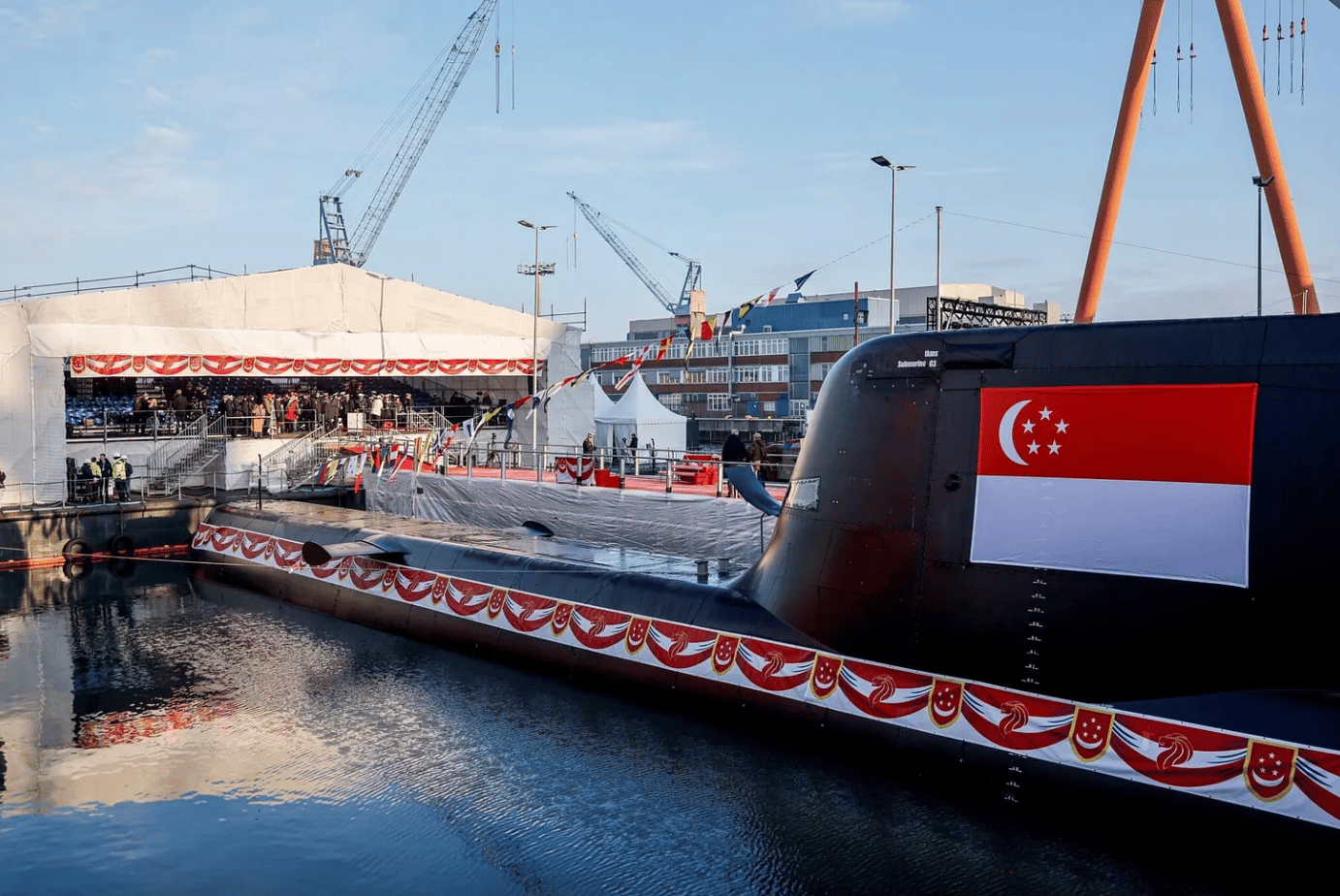
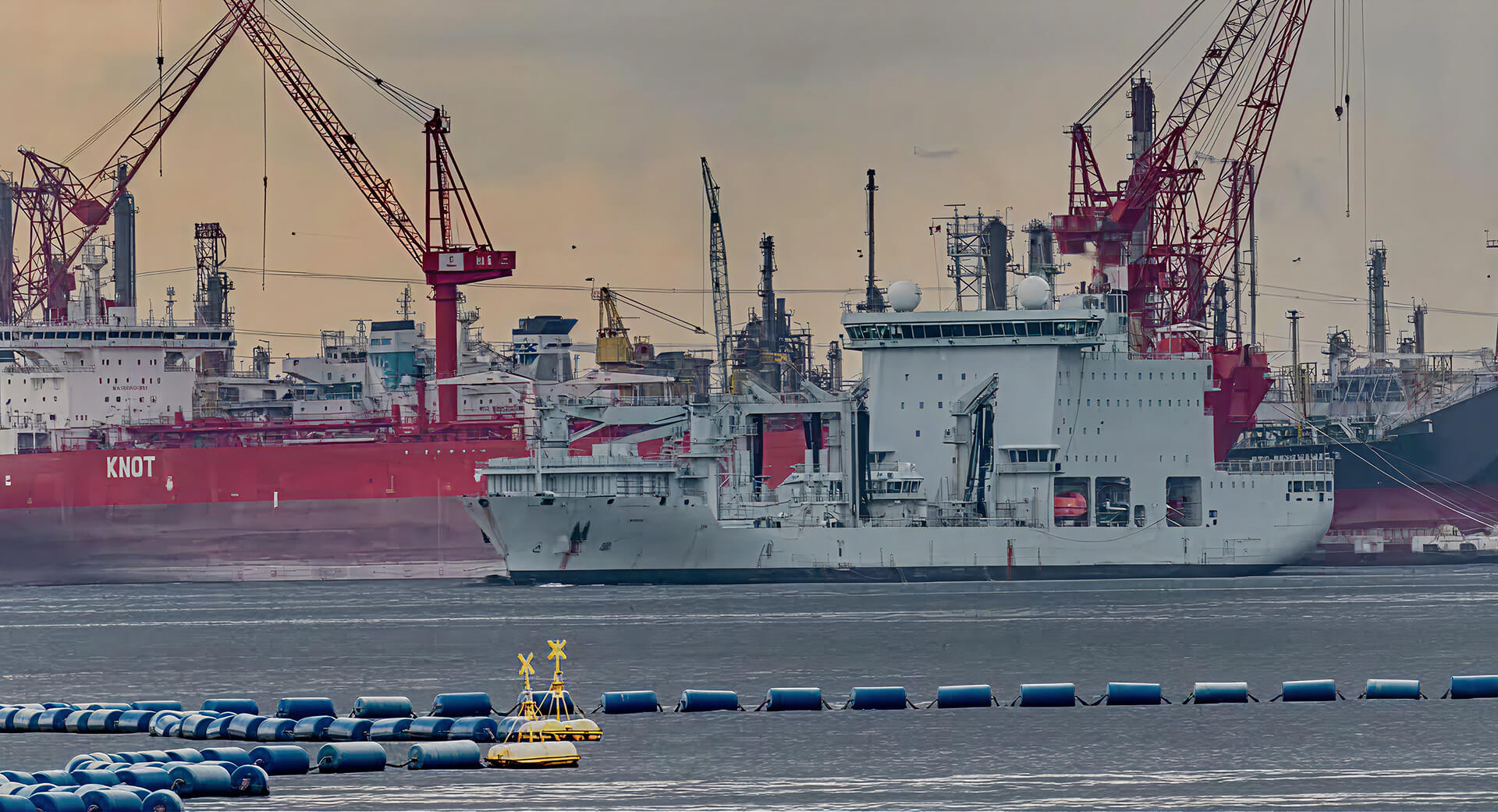
(Thanks to Pier71 in Singapore for the opportunity to serve as a Mentor In Residence for high potential start ups looking at international market expansion. If you’re in maritime and haven’t heard of Pier71, check them out. Their smart port challenge will be released in a few weeks at Maritime Week in Singapore)
Executive Summary
The Hormuz crisis is reshaping Indo-Pacific energy security in real time. Materials and other shortages are emerging from Thailand to Australia. US intelligence indicates China is preparing to ship MANPAD systems to Iran via third countries. North Korea’s 6-8 April missile test included new weapon claims, such as a Hwasong-11 cluster-bomb warhead, carbon-fibre blackout munition, and non-nuclear EMP weapon targeting allied ISR and C2. Demonstrating capacity (or at least ambitions) to develop sophisticated weapons despite embargoes and monitoring operations (like Canada’s Op Neon which is set to expire this month). Against this backdrop of supply chain fragility and accelerating regional armament, Canada's procurement decisions carry more weight than usual.
In Canada, Ottawa gave both CPSP bidders a time-limited window to revise proposals by 29 April. Some are viewing this as a tacit acknowledgement that initial submissions did not fully satisfy Defence Industrial Strategy expectations, others view it as a way to galvanize against future protests and legal challenges. Korea’s solution, the KSS-III is en route to Canada amidst some challenging dynamics emerging within the conglomerate at Hanwha Corp including a withdrawn acquisition bid and regulator intervention on a planned shares issue. Canada is exploring observer status in GCAP, but the first Edgewing contract (BAE, Leonardo, JAIEC) was announced on 2 April and funding is now flowing; meaningful industrial roles are being allocated, and the window for Canadian inclusion narrows with each passing month. CAF Outlooks drew record attendance and criticism from ACDC on small-firm accessibility.
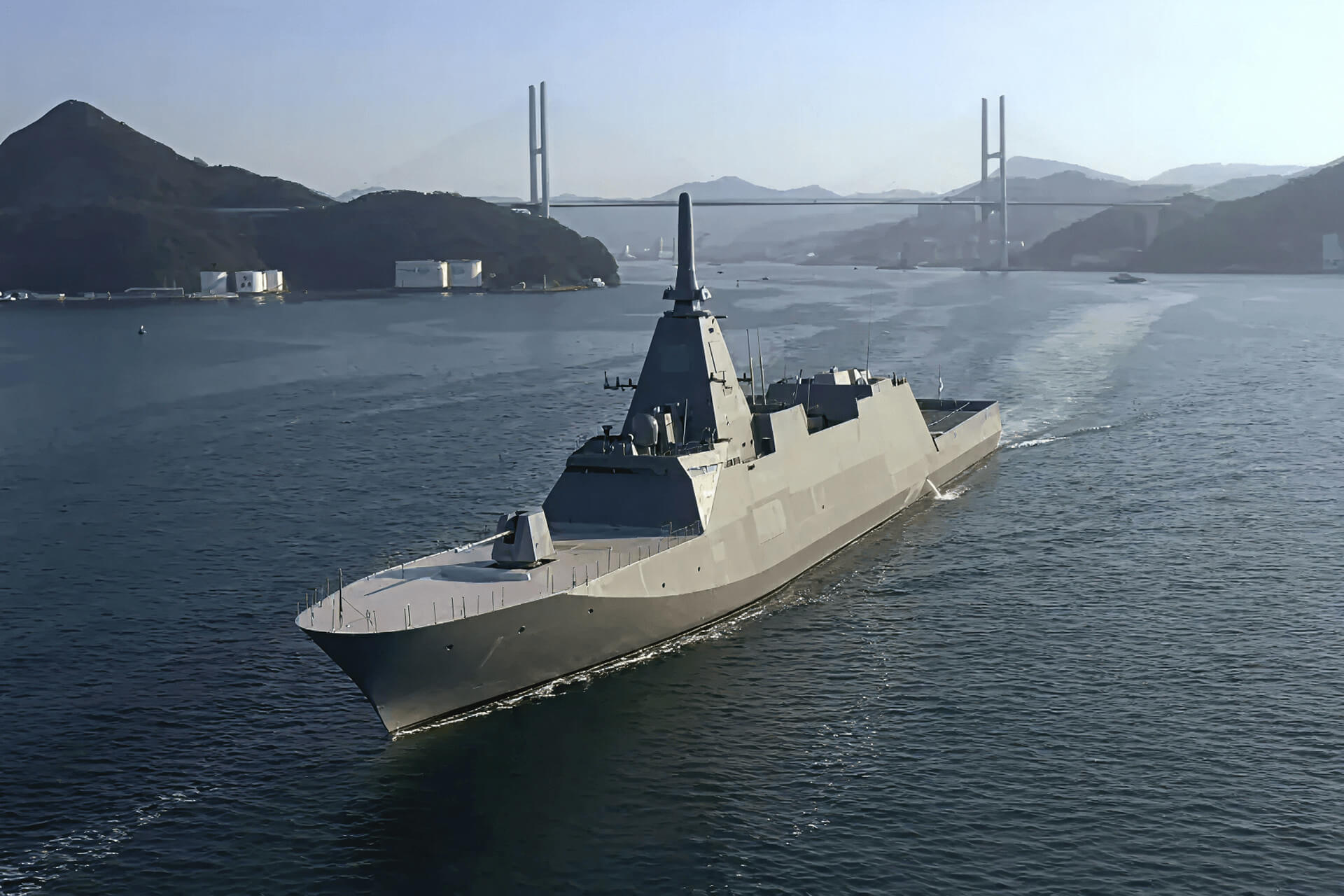
Japan and Australia held a defence ministerial on 8 April, with reports of discussions on joint production of long-range missiles and drones under the Framework for Strategic Defence Coordination. Combined with the Mogami-class frigate for the RAN, Australia is establishing itself as Japan’s leading non-US defence-industrial partner. In Singapore, PM Wong and PM Albanese signed a binding protocol under the Singapore-Australia Free Trade Agreement on LNG, diesel, and food, positioning the city-state as a supply chain resilience node. This development seems like a logical place for variable geometry cooperation with others. Singapore Smart Port Challenge 2026 launches at Maritime Week (20-24 April) with opportunities for Canadian maritime technology firms; and Cap Vista's Solicitation 5.0 and Call for Innovation remain open for dual-use companies. RCN ships arrived in Singapore from Exercise Kakadu, reinforcing the bilateral defence relationship at a moment when market entry points are active.
Summary of What to Watch
Immediate (Next 30 Days)
- CPSP bid revisions underway. More announcements to come? For Hanwha corp. complex conglomerate dynamics, a withdrawn acquisition, a regulatory challenge to a planned share issue may invite scrutiny on CPSP related commitments.
- Singapore Maritime Week (20-24 April) and DSA/NATSEC Asia in Kuala Lumpur (20-23 April). Smart Port Challenge and Cap Vista opportunities open for Canadian firms.
- Operation NEON mandate expires April. Renewal or lapse signals Ottawa’s Indo-Pacific commitment.
Medium-Term (2026)
- Canada is seeking observer status. GCAP workshare is being allocated now. The Edgewing contract runs to 30 June. Each quarter without Canadian observer status narrows the window for industrial opportunities. Can Canada accelerate the kicking the tires phase before more funding announcements are made by the partners?
Strategic (2026+)
- Japan-Australia joint missile and drone production sets a template for non-US allied co-production. Canada's ETTA provides a legal basis but no comparable programme of work. Will one materialize? Will it focus on GCAP or something else if it does?
CANADA: Considers GCAP, OP Neon Renewal
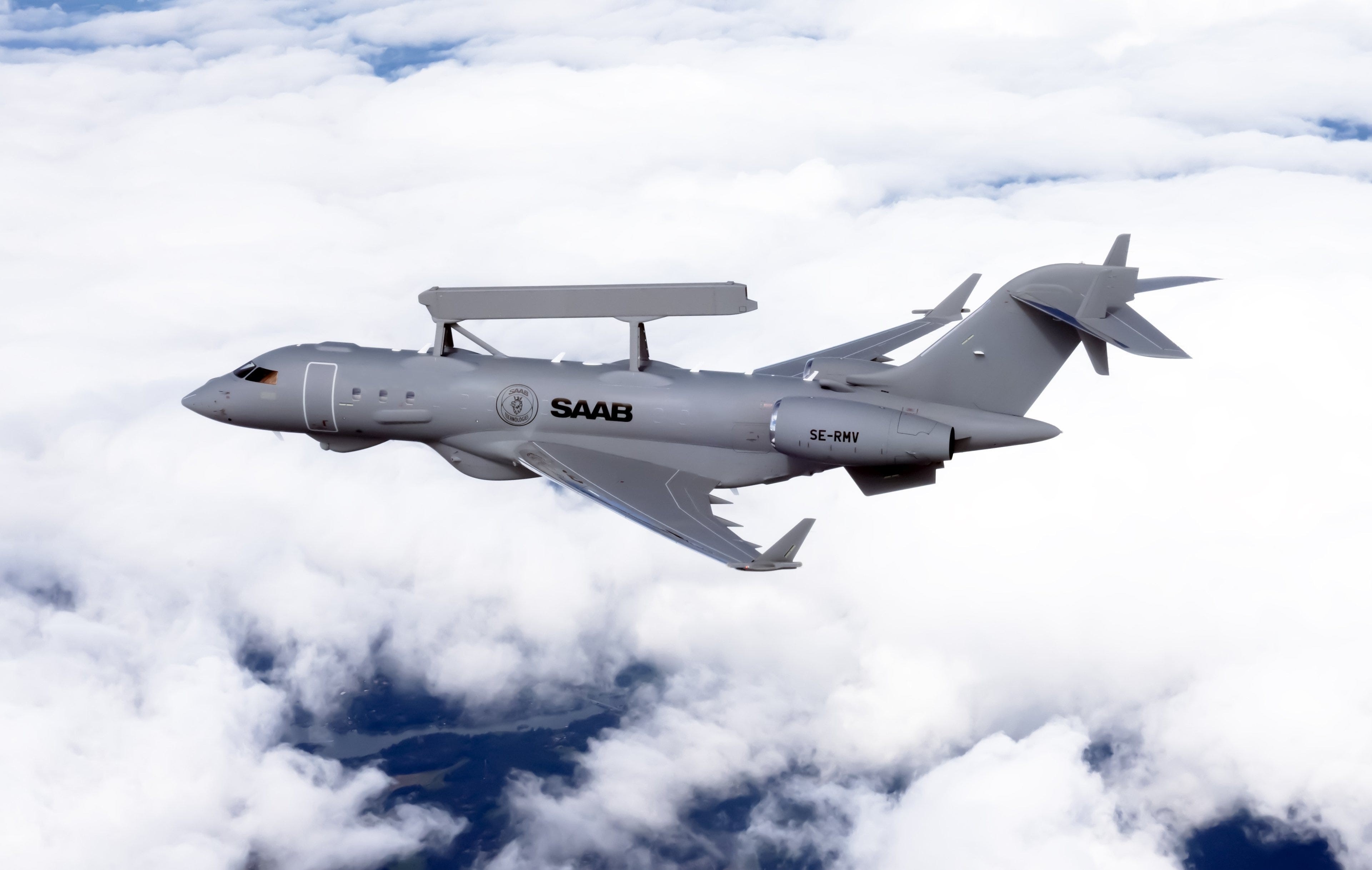
- Global Combat Aircraft Program (GCAP) Observer Status: Canada is seeking observer status in the GCAP program to “diversify defence procurement and grow partnership with like-minded allies.” While Canada is kicking the tires, the first contract was signed and funding is now flowing toEdgewing a collaboration between BAE systems, Leonardo and Japan Aircraft Industrial Enhancement Co. Ltd (JAIEC). Meaningful industrial roles are already set, which means including Canadian capabilities will only get more difficult as time goes by.

GCAP Model Source: Wikipedia
- Procurement Outlooks: The Canadian Forces Outlooks were held this past week with record attendance and amidst some criticism from the Alliance of Canadian Defence Companies on accessibility for small Canadian firms. The thrust of the argument was that it’s unfair you have to be a CADSI member to get access. Vincent Marmion highlighted what he’s tracking; what is the Defender’s Den CanadaxEurope?
- Operation Neon Renewal: Operation Neon is Canada’s contribution to coordinated multinational effort to support the implementation of United Nations Security Council sanctions imposed against North Korea. It is set to expire in April 2026. Given no announcement on its status has occurred, worth watching.
Watch: Will Canada be nimble enough to engage the GCAP partners and get in on the ground floor? How will CADSI and the Government of Canada handle the criticism from ACDC and others on access to the outlooks? Will OP Neon be renewed?
South Korea: CPSP Bid Revisions Amidst Conglomerate Troubles
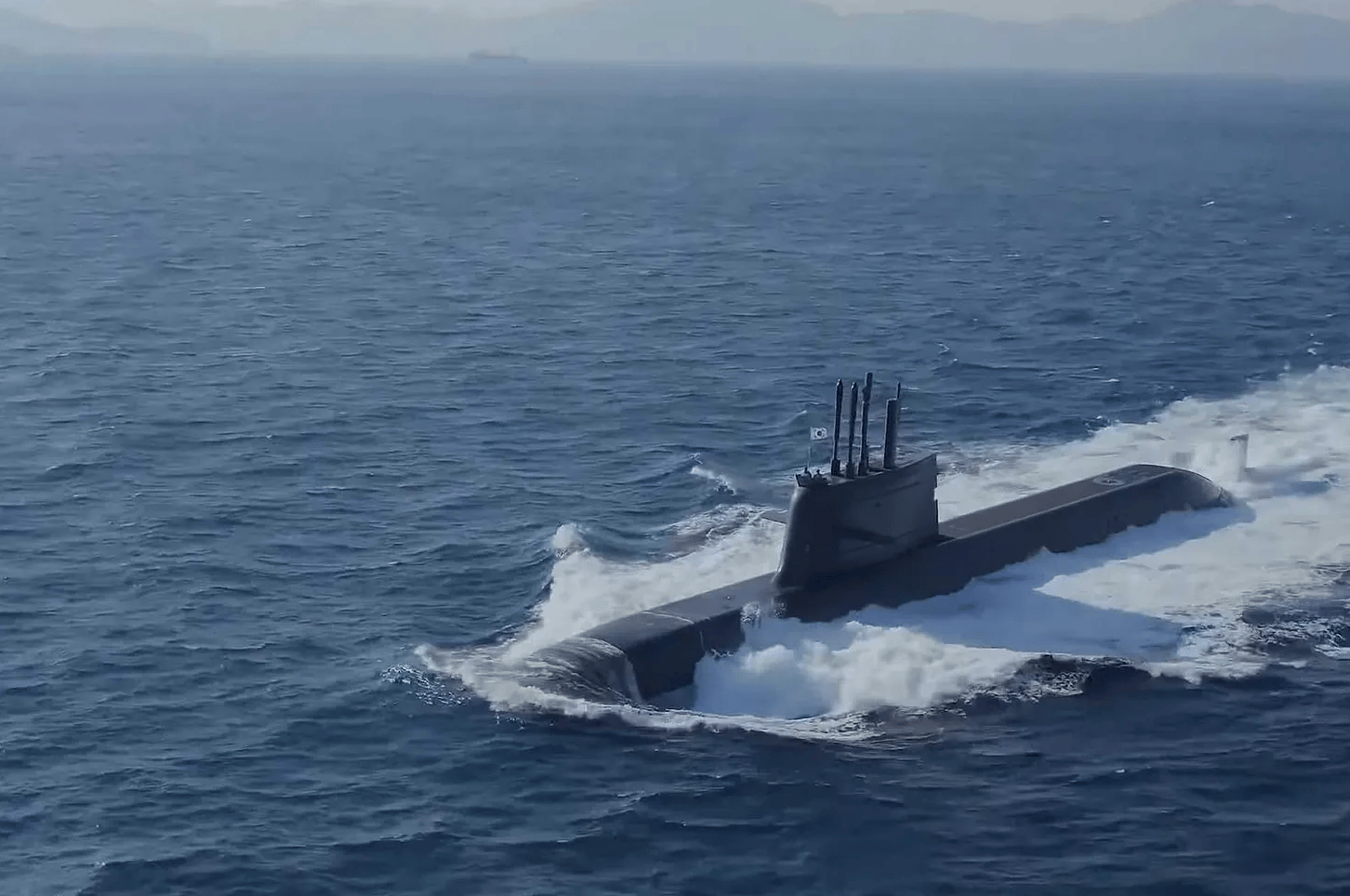
- Canadian Patrol Submarine Updates: South Korea recently announced that their KSS-III will transit to Canada. After a recent stop in Guam (7 Apr) it is set to arrive in Canada just around bid evaluation time. This news comes amidst reporting that the Government of Canada is allowing TKMS and Hanwha to revise their bids. Given Canada’s broad approach to industrial benefits on CPSP, recent reporting on Hanwha adds a potential note of caution. While the group’s defence and shipbuilding businesses remain operationally strong, debt and stress elsewhere in the Hanwha Corp. conglomerate including an abandoned acquisition, regulatory intervention in a planned share issue, and ongoing restructuring suggests Ottawa should apply careful due diligence to the durability of industrial commitments, especially those that may involve broader conglomerate capabilities. This news comes immediately following public reporting on a legal battle related to IP on the KDDX program.
- Team Canada Trade Mission Wraps: 110+ companies focused on defence, aerospace, ICT and energy transition. Public reporting on the April 2026 Canadian trade delegation to Korea points to active ministerial engagement and commercial matchmaking in defence, energy, and strategic industries, but so far no evidence of publicly announced MOUs, formal agreements or contract signatures related to defence arising from the visit.
Watch: Will Canada use the bid revision period as an opportunity to signal to TKMS and Hanwha that the country wants more out of their bids? In what areas?What can we learn from some of the stresses and the financial position of Hanwha Ocean and the broader Hanwha group?
Japan: Deepening Partnership Down Under
- Japan-Australia defence-industrial partnership deepening. The 8 April ministerial reportedly produced movement toward joint long-range missile and drone production under the Framework for Strategic Defence Coordination. Combined with the Mogami-class frigate for the RAN, Australia is taking the lead in non-US alliance partners in Japan. Canada's ETTA provides a potential entry point to similar arrangements, but Australia is further along.
- Ex Balikatan 2026: It is reported that Japan will send around 1000 troopsto an exercise in the Philippines representing a significant shift in Japan’s security and defence posture.
Watch: Watch the GCAP space, and whether Australia makes a play for observer status in that program, or will they focus on US tech? Given Australian leaders in the drone market like CubePilot, watch the allocation of workshare amongst the partners in drones in particular.
Singapore: Gateway to the Indo-Pacific
- Innovation entry points for Canadian firms. Smart Port Challenge 2026launches at Singapore Maritime Week (20-24 April). Cap Vista Solicitation 5.0 and Call for Innovation remain open.
- Wong-Albanese protocol positions Singapore as supply chain resilience node. PM Wong and PM Albanese signed a Joint Statement on Economic Resilience and Essential Supplies on 10 April. Legally binding SAFTA protocol covering LNG, diesel, and food. Economic Resilience Dialogue and inaugural Energy Ministerial Dialogue to follow.
- Defence diplomacy: Royal Canadian Navy ships arrived in Singapore,coming from Ex Kakadu, underscoring the RCN's sustained operational presence in the Indo-Pacific and the bilateral defence relationship.
Watch: What will the major themes be for the smart ports challenge? What could Canada take away from the massive port automation effort unfolding in Singapore? Is there room for a variable geometry play in the economic resilience file?
Australia: Arctic Radar and Kakadu
- Jindalee Operational Radar Network (JORN)& Arctic Over the Horizon Radar Progress: Some late reporting from the Australian MOD that PM Carney attended a Defence capability briefing where the Australian MOD and BAE Systems Australia showcased the JORN OTHR system and its high-frequency detection capabilities.
- Ex Kakadu: Vessels from 19 nations (including Canada’s HMCS Charlottetown + MV Asterix) sailed into Sydney Harbour on March 21 for the Exercise Kakadu Fleet Review (KFR), commemorating 125 years since the foundation of Australia’s Navy. (not previously reported, but notable so including here!)
Watch: Will the JORN collaboration move fast enough given the 2029 deadline for Stage 1 capability? Has Canada put in an order for the AIM-260A, or does it plan to given the F-35 review?
Other Regional Developments:
- New Zealand: Chris Penk replaced Judith Collins on 7 April, taking Defence, GCSB, NZSIS, and Space. He is the first NZ defence minister to have served in both the RNZN and Australian forces. NZ reengages with the Cook Islands. Wellington commits to remain the primary defence and security partner for the Cook Islands and release previously suspended funding. The suspension followed Cook Islands' engagement with China on security matters.
- Taiwan: Budget stall continues as the chipwars heats up with Taiwan’s National Security Bureau calling out efforts by Beijing to ‘lure’ companies to establish operations in China.
- India: Reports of growing exports including a wide range of arms, ammunition and fuses and some complete weapon systems, such as the BrahMos supersonic cruise missile, artillery, Dornier-228 aircraft, radars, Akash air defence missiles, Pinaka rockets and armoured vehicles.
- Indonesia: Three UNIFIL peacekeepers killed in southern Lebanon. Preliminary UN findings: Israeli tank projectile and Hezbollah IED. Jakarta demanding a thorough investigation. President Prabowo departs for meetings with in Moscow with Putin, his third visit as President.
- Philippines: South China Sea friction continues, with the Philippines highlighting that China may be taking advantage of international attention on the conflict in the middle east amidst exercises with Japan, Australia and the US.
Key Upcoming Events
- Singapore Maritime Week 2026 | 20-24 April | Singapore (Smart Port Challenge 2026 launch)
- DSA and NATSEC Asia 2026 | 20-23 April | Kuala Lumpur
- Milipol TechX 2026 | 28-30 April | Singapore
- The New Maritime Battlespace | 5 May | St. John, NB
- AUSA LANPAC | 12-14 May | Honolulu
- Indian Ocean Defence & Security | 26-28 May | Perth
- CANSEC 2026 | 27-28 May | Ottawa
- Shangri-La Dialogue | 29-31 May | Singapore
- Critical Minerals for Defence | 9-10 June | Toronto
- Naval Defense Philippines | 17-19 June | Manila
- ADSE 2026 | 6-7 August | Abbotsford, BC
- Canadian Aerospace Summit | 27-28 October | Ottawa
Other Insights

Canada x IndoPacific [15th Ed.] - Submarine Endgame in Ankara (?), Huge International Acquisition by Canadian Firm, Not So Glorious (But Important) Paperwork & Agreements Move Forward
July 2, 2026
Canada x Indo-Pacific [14th Ed.] Summit Season in Beijing, Wang Yi in Ottawa, CPSP End of the Beginning, Biggest CANSEC Ever
June 4, 2026
Canada x Indo-Pacific [13th Ed.] DSRB to Be Hosted in Canada, Japan’s Export Rule Reforms Continue, CPSP Bid Revisions
May 14, 2026

Defence Market Intelligence for Strategic Autonomy
© 2026 PerceptX Inc.


Canada x Indo-Pacific [12th Ed.] 3X market entry opportunities in Singapore, GCAP Clock Ticking, Hanwha Conglomerate Stresses Mount
April 13, 2026
(Thanks to Pier71 in Singapore for the opportunity to serve as a Mentor In Residence for high potential start ups looking at international market expansion. If you’re in maritime and haven’t heard of Pier71, check them out. Their smart port challenge will be released in a few weeks at Maritime Week in Singapore)
Executive Summary
The Hormuz crisis is reshaping Indo-Pacific energy security in real time. Materials and other shortages are emerging from Thailand to Australia. US intelligence indicates China is preparing to ship MANPAD systems to Iran via third countries. North Korea’s 6-8 April missile test included new weapon claims, such as a Hwasong-11 cluster-bomb warhead, carbon-fibre blackout munition, and non-nuclear EMP weapon targeting allied ISR and C2. Demonstrating capacity (or at least ambitions) to develop sophisticated weapons despite embargoes and monitoring operations (like Canada’s Op Neon which is set to expire this month). Against this backdrop of supply chain fragility and accelerating regional armament, Canada's procurement decisions carry more weight than usual.
In Canada, Ottawa gave both CPSP bidders a time-limited window to revise proposals by 29 April. Some are viewing this as a tacit acknowledgement that initial submissions did not fully satisfy Defence Industrial Strategy expectations, others view it as a way to galvanize against future protests and legal challenges. Korea’s solution, the KSS-III is en route to Canada amidst some challenging dynamics emerging within the conglomerate at Hanwha Corp including a withdrawn acquisition bid and regulator intervention on a planned shares issue. Canada is exploring observer status in GCAP, but the first Edgewing contract (BAE, Leonardo, JAIEC) was announced on 2 April and funding is now flowing; meaningful industrial roles are being allocated, and the window for Canadian inclusion narrows with each passing month. CAF Outlooks drew record attendance and criticism from ACDC on small-firm accessibility.
Japan and Australia held a defence ministerial on 8 April, with reports of discussions on joint production of long-range missiles and drones under the Framework for Strategic Defence Coordination. Combined with the Mogami-class frigate for the RAN, Australia is establishing itself as Japan’s leading non-US defence-industrial partner. In Singapore, PM Wong and PM Albanese signed a binding protocol under the Singapore-Australia Free Trade Agreement on LNG, diesel, and food, positioning the city-state as a supply chain resilience node. This development seems like a logical place for variable geometry cooperation with others. Singapore Smart Port Challenge 2026 launches at Maritime Week (20-24 April) with opportunities for Canadian maritime technology firms; and Cap Vista's Solicitation 5.0 and Call for Innovation remain open for dual-use companies. RCN ships arrived in Singapore from Exercise Kakadu, reinforcing the bilateral defence relationship at a moment when market entry points are active.
Summary of What to Watch
Immediate (Next 30 Days)
- CPSP bid revisions underway. More announcements to come? For Hanwha corp. complex conglomerate dynamics, a withdrawn acquisition, a regulatory challenge to a planned share issue may invite scrutiny on CPSP related commitments.
- Singapore Maritime Week (20-24 April) and DSA/NATSEC Asia in Kuala Lumpur (20-23 April). Smart Port Challenge and Cap Vista opportunities open for Canadian firms.
- Operation NEON mandate expires April. Renewal or lapse signals Ottawa’s Indo-Pacific commitment.
Medium-Term (2026)
- Canada is seeking observer status. GCAP workshare is being allocated now. The Edgewing contract runs to 30 June. Each quarter without Canadian observer status narrows the window for industrial opportunities. Can Canada accelerate the kicking the tires phase before more funding announcements are made by the partners?
Strategic (2026+)
- Japan-Australia joint missile and drone production sets a template for non-US allied co-production. Canada's ETTA provides a legal basis but no comparable programme of work. Will one materialize? Will it focus on GCAP or something else if it does?
CANADA: Considers GCAP, OP Neon Renewal
- Global Combat Aircraft Program (GCAP) Observer Status: Canada is seeking observer status in the GCAP program to “diversify defence procurement and grow partnership with like-minded allies.” While Canada is kicking the tires, the first contract was signed and funding is now flowing toEdgewing a collaboration between BAE systems, Leonardo and Japan Aircraft Industrial Enhancement Co. Ltd (JAIEC). Meaningful industrial roles are already set, which means including Canadian capabilities will only get more difficult as time goes by.
GCAP Model Source: Wikipedia
- Procurement Outlooks: The Canadian Forces Outlooks were held this past week with record attendance and amidst some criticism from the Alliance of Canadian Defence Companies on accessibility for small Canadian firms. The thrust of the argument was that it’s unfair you have to be a CADSI member to get access. Vincent Marmion highlighted what he’s tracking; what is the Defender’s Den CanadaxEurope?
- Operation Neon Renewal: Operation Neon is Canada’s contribution to coordinated multinational effort to support the implementation of United Nations Security Council sanctions imposed against North Korea. It is set to expire in April 2026. Given no announcement on its status has occurred, worth watching.
Watch: Will Canada be nimble enough to engage the GCAP partners and get in on the ground floor? How will CADSI and the Government of Canada handle the criticism from ACDC and others on access to the outlooks? Will OP Neon be renewed?
South Korea: CPSP Bid Revisions Amidst Conglomerate Troubles
- Canadian Patrol Submarine Updates: South Korea recently announced that their KSS-III will transit to Canada. After a recent stop in Guam (7 Apr) it is set to arrive in Canada just around bid evaluation time. This news comes amidst reporting that the Government of Canada is allowing TKMS and Hanwha to revise their bids. Given Canada’s broad approach to industrial benefits on CPSP, recent reporting on Hanwha adds a potential note of caution. While the group’s defence and shipbuilding businesses remain operationally strong, debt and stress elsewhere in the Hanwha Corp. conglomerate including an abandoned acquisition, regulatory intervention in a planned share issue, and ongoing restructuring suggests Ottawa should apply careful due diligence to the durability of industrial commitments, especially those that may involve broader conglomerate capabilities. This news comes immediately following public reporting on a legal battle related to IP on the KDDX program.
- Team Canada Trade Mission Wraps: 110+ companies focused on defence, aerospace, ICT and energy transition. Public reporting on the April 2026 Canadian trade delegation to Korea points to active ministerial engagement and commercial matchmaking in defence, energy, and strategic industries, but so far no evidence of publicly announced MOUs, formal agreements or contract signatures related to defence arising from the visit.
Watch: Will Canada use the bid revision period as an opportunity to signal to TKMS and Hanwha that the country wants more out of their bids? In what areas?What can we learn from some of the stresses and the financial position of Hanwha Ocean and the broader Hanwha group?
Japan: Deepening Partnership Down Under
- Japan-Australia defence-industrial partnership deepening. The 8 April ministerial reportedly produced movement toward joint long-range missile and drone production under the Framework for Strategic Defence Coordination. Combined with the Mogami-class frigate for the RAN, Australia is taking the lead in non-US alliance partners in Japan. Canada's ETTA provides a potential entry point to similar arrangements, but Australia is further along.
- Ex Balikatan 2026: It is reported that Japan will send around 1000 troopsto an exercise in the Philippines representing a significant shift in Japan’s security and defence posture.
Watch: Watch the GCAP space, and whether Australia makes a play for observer status in that program, or will they focus on US tech? Given Australian leaders in the drone market like CubePilot, watch the allocation of workshare amongst the partners in drones in particular.
Singapore: Gateway to the Indo-Pacific
- Innovation entry points for Canadian firms. Smart Port Challenge 2026launches at Singapore Maritime Week (20-24 April). Cap Vista Solicitation 5.0 and Call for Innovation remain open.
- Wong-Albanese protocol positions Singapore as supply chain resilience node. PM Wong and PM Albanese signed a Joint Statement on Economic Resilience and Essential Supplies on 10 April. Legally binding SAFTA protocol covering LNG, diesel, and food. Economic Resilience Dialogue and inaugural Energy Ministerial Dialogue to follow.
- Defence diplomacy: Royal Canadian Navy ships arrived in Singapore,coming from Ex Kakadu, underscoring the RCN's sustained operational presence in the Indo-Pacific and the bilateral defence relationship.
Watch: What will the major themes be for the smart ports challenge? What could Canada take away from the massive port automation effort unfolding in Singapore? Is there room for a variable geometry play in the economic resilience file?
Australia: Arctic Radar and Kakadu
- Jindalee Operational Radar Network (JORN)& Arctic Over the Horizon Radar Progress: Some late reporting from the Australian MOD that PM Carney attended a Defence capability briefing where the Australian MOD and BAE Systems Australia showcased the JORN OTHR system and its high-frequency detection capabilities.
- Ex Kakadu: Vessels from 19 nations (including Canada’s HMCS Charlottetown + MV Asterix) sailed into Sydney Harbour on March 21 for the Exercise Kakadu Fleet Review (KFR), commemorating 125 years since the foundation of Australia’s Navy. (not previously reported, but notable so including here!)
Watch: Will the JORN collaboration move fast enough given the 2029 deadline for Stage 1 capability? Has Canada put in an order for the AIM-260A, or does it plan to given the F-35 review?
Other Regional Developments:
- New Zealand: Chris Penk replaced Judith Collins on 7 April, taking Defence, GCSB, NZSIS, and Space. He is the first NZ defence minister to have served in both the RNZN and Australian forces. NZ reengages with the Cook Islands. Wellington commits to remain the primary defence and security partner for the Cook Islands and release previously suspended funding. The suspension followed Cook Islands' engagement with China on security matters.
- Taiwan: Budget stall continues as the chipwars heats up with Taiwan’s National Security Bureau calling out efforts by Beijing to ‘lure’ companies to establish operations in China.
- India: Reports of growing exports including a wide range of arms, ammunition and fuses and some complete weapon systems, such as the BrahMos supersonic cruise missile, artillery, Dornier-228 aircraft, radars, Akash air defence missiles, Pinaka rockets and armoured vehicles.
- Indonesia: Three UNIFIL peacekeepers killed in southern Lebanon. Preliminary UN findings: Israeli tank projectile and Hezbollah IED. Jakarta demanding a thorough investigation. President Prabowo departs for meetings with in Moscow with Putin, his third visit as President.
- Philippines: South China Sea friction continues, with the Philippines highlighting that China may be taking advantage of international attention on the conflict in the middle east amidst exercises with Japan, Australia and the US.
Key Upcoming Events
- Singapore Maritime Week 2026 | 20-24 April | Singapore (Smart Port Challenge 2026 launch)
- DSA and NATSEC Asia 2026 | 20-23 April | Kuala Lumpur
- Milipol TechX 2026 | 28-30 April | Singapore
- The New Maritime Battlespace | 5 May | St. John, NB
- AUSA LANPAC | 12-14 May | Honolulu
- Indian Ocean Defence & Security | 26-28 May | Perth
- CANSEC 2026 | 27-28 May | Ottawa
- Shangri-La Dialogue | 29-31 May | Singapore
- Critical Minerals for Defence | 9-10 June | Toronto
- Naval Defense Philippines | 17-19 June | Manila
- ADSE 2026 | 6-7 August | Abbotsford, BC
- Canadian Aerospace Summit | 27-28 October | Ottawa
Other Insights
Canada x IndoPacific [15th Ed.] - Submarine Endgame in Ankara (?), Huge International Acquisition by Canadian Firm, Not So Glorious (But Important) Paperwork & Agreements Move Forward
July 2, 2026
Canada x Indo-Pacific [14th Ed.] Summit Season in Beijing, Wang Yi in Ottawa, CPSP End of the Beginning, Biggest CANSEC Ever
June 4, 2026
Canada x Indo-Pacific [13th Ed.] DSRB to Be Hosted in Canada, Japan’s Export Rule Reforms Continue, CPSP Bid Revisions
May 14, 2026

Defence Market Intelligence for Strategic Autonomy
© 2026 PerceptX Inc.


about
services
Capabilities
News

contact us


Canada x Indo-Pacific [12th Ed.] 3X market entry opportunities in Singapore, GCAP Clock Ticking, Hanwha Conglomerate Stresses Mount
April 13, 2026
(Thanks to Pier71 in Singapore for the opportunity to serve as a Mentor In Residence for high potential start ups looking at international market expansion. If you’re in maritime and haven’t heard of Pier71, check them out. Their smart port challenge will be released in a few weeks at Maritime Week in Singapore)
Executive Summary
The Hormuz crisis is reshaping Indo-Pacific energy security in real time. Materials and other shortages are emerging from Thailand to Australia. US intelligence indicates China is preparing to ship MANPAD systems to Iran via third countries. North Korea’s 6-8 April missile test included new weapon claims, such as a Hwasong-11 cluster-bomb warhead, carbon-fibre blackout munition, and non-nuclear EMP weapon targeting allied ISR and C2. Demonstrating capacity (or at least ambitions) to develop sophisticated weapons despite embargoes and monitoring operations (like Canada’s Op Neon which is set to expire this month). Against this backdrop of supply chain fragility and accelerating regional armament, Canada's procurement decisions carry more weight than usual.
In Canada, Ottawa gave both CPSP bidders a time-limited window to revise proposals by 29 April. Some are viewing this as a tacit acknowledgement that initial submissions did not fully satisfy Defence Industrial Strategy expectations, others view it as a way to galvanize against future protests and legal challenges. Korea’s solution, the KSS-III is en route to Canada amidst some challenging dynamics emerging within the conglomerate at Hanwha Corp including a withdrawn acquisition bid and regulator intervention on a planned shares issue. Canada is exploring observer status in GCAP, but the first Edgewing contract (BAE, Leonardo, JAIEC) was announced on 2 April and funding is now flowing; meaningful industrial roles are being allocated, and the window for Canadian inclusion narrows with each passing month. CAF Outlooks drew record attendance and criticism from ACDC on small-firm accessibility.
Japan and Australia held a defence ministerial on 8 April, with reports of discussions on joint production of long-range missiles and drones under the Framework for Strategic Defence Coordination. Combined with the Mogami-class frigate for the RAN, Australia is establishing itself as Japan’s leading non-US defence-industrial partner. In Singapore, PM Wong and PM Albanese signed a binding protocol under the Singapore-Australia Free Trade Agreement on LNG, diesel, and food, positioning the city-state as a supply chain resilience node. This development seems like a logical place for variable geometry cooperation with others. Singapore Smart Port Challenge 2026 launches at Maritime Week (20-24 April) with opportunities for Canadian maritime technology firms; and Cap Vista's Solicitation 5.0 and Call for Innovation remain open for dual-use companies. RCN ships arrived in Singapore from Exercise Kakadu, reinforcing the bilateral defence relationship at a moment when market entry points are active.
Summary of What to Watch
Immediate (Next 30 Days)
- CPSP bid revisions underway. More announcements to come? For Hanwha corp. complex conglomerate dynamics, a withdrawn acquisition, a regulatory challenge to a planned share issue may invite scrutiny on CPSP related commitments.
- Singapore Maritime Week (20-24 April) and DSA/NATSEC Asia in Kuala Lumpur (20-23 April). Smart Port Challenge and Cap Vista opportunities open for Canadian firms.
- Operation NEON mandate expires April. Renewal or lapse signals Ottawa’s Indo-Pacific commitment.
Medium-Term (2026)
- Canada is seeking observer status. GCAP workshare is being allocated now. The Edgewing contract runs to 30 June. Each quarter without Canadian observer status narrows the window for industrial opportunities. Can Canada accelerate the kicking the tires phase before more funding announcements are made by the partners?
Strategic (2026+)
- Japan-Australia joint missile and drone production sets a template for non-US allied co-production. Canada's ETTA provides a legal basis but no comparable programme of work. Will one materialize? Will it focus on GCAP or something else if it does?
CANADA: Considers GCAP, OP Neon Renewal
- Global Combat Aircraft Program (GCAP) Observer Status: Canada is seeking observer status in the GCAP program to “diversify defence procurement and grow partnership with like-minded allies.” While Canada is kicking the tires, the first contract was signed and funding is now flowing toEdgewing a collaboration between BAE systems, Leonardo and Japan Aircraft Industrial Enhancement Co. Ltd (JAIEC). Meaningful industrial roles are already set, which means including Canadian capabilities will only get more difficult as time goes by.
GCAP Model Source: Wikipedia
- Procurement Outlooks: The Canadian Forces Outlooks were held this past week with record attendance and amidst some criticism from the Alliance of Canadian Defence Companies on accessibility for small Canadian firms. The thrust of the argument was that it’s unfair you have to be a CADSI member to get access. Vincent Marmion highlighted what he’s tracking; what is the Defender’s Den CanadaxEurope?
- Operation Neon Renewal: Operation Neon is Canada’s contribution to coordinated multinational effort to support the implementation of United Nations Security Council sanctions imposed against North Korea. It is set to expire in April 2026. Given no announcement on its status has occurred, worth watching.
Watch: Will Canada be nimble enough to engage the GCAP partners and get in on the ground floor? How will CADSI and the Government of Canada handle the criticism from ACDC and others on access to the outlooks? Will OP Neon be renewed?
South Korea: CPSP Bid Revisions Amidst Conglomerate Troubles
- Canadian Patrol Submarine Updates: South Korea recently announced that their KSS-III will transit to Canada. After a recent stop in Guam (7 Apr) it is set to arrive in Canada just around bid evaluation time. This news comes amidst reporting that the Government of Canada is allowing TKMS and Hanwha to revise their bids. Given Canada’s broad approach to industrial benefits on CPSP, recent reporting on Hanwha adds a potential note of caution. While the group’s defence and shipbuilding businesses remain operationally strong, debt and stress elsewhere in the Hanwha Corp. conglomerate including an abandoned acquisition, regulatory intervention in a planned share issue, and ongoing restructuring suggests Ottawa should apply careful due diligence to the durability of industrial commitments, especially those that may involve broader conglomerate capabilities. This news comes immediately following public reporting on a legal battle related to IP on the KDDX program.
- Team Canada Trade Mission Wraps: 110+ companies focused on defence, aerospace, ICT and energy transition. Public reporting on the April 2026 Canadian trade delegation to Korea points to active ministerial engagement and commercial matchmaking in defence, energy, and strategic industries, but so far no evidence of publicly announced MOUs, formal agreements or contract signatures related to defence arising from the visit.
Watch: Will Canada use the bid revision period as an opportunity to signal to TKMS and Hanwha that the country wants more out of their bids? In what areas?What can we learn from some of the stresses and the financial position of Hanwha Ocean and the broader Hanwha group?
Japan: Deepening Partnership Down Under
- Japan-Australia defence-industrial partnership deepening. The 8 April ministerial reportedly produced movement toward joint long-range missile and drone production under the Framework for Strategic Defence Coordination. Combined with the Mogami-class frigate for the RAN, Australia is taking the lead in non-US alliance partners in Japan. Canada's ETTA provides a potential entry point to similar arrangements, but Australia is further along.
- Ex Balikatan 2026: It is reported that Japan will send around 1000 troopsto an exercise in the Philippines representing a significant shift in Japan’s security and defence posture.
Watch: Watch the GCAP space, and whether Australia makes a play for observer status in that program, or will they focus on US tech? Given Australian leaders in the drone market like CubePilot, watch the allocation of workshare amongst the partners in drones in particular.
Singapore: Gateway to the Indo-Pacific
- Innovation entry points for Canadian firms. Smart Port Challenge 2026launches at Singapore Maritime Week (20-24 April). Cap Vista Solicitation 5.0 and Call for Innovation remain open.
- Wong-Albanese protocol positions Singapore as supply chain resilience node. PM Wong and PM Albanese signed a Joint Statement on Economic Resilience and Essential Supplies on 10 April. Legally binding SAFTA protocol covering LNG, diesel, and food. Economic Resilience Dialogue and inaugural Energy Ministerial Dialogue to follow.
- Defence diplomacy: Royal Canadian Navy ships arrived in Singapore,coming from Ex Kakadu, underscoring the RCN's sustained operational presence in the Indo-Pacific and the bilateral defence relationship.
Watch: What will the major themes be for the smart ports challenge? What could Canada take away from the massive port automation effort unfolding in Singapore? Is there room for a variable geometry play in the economic resilience file?
Australia: Arctic Radar and Kakadu
- Jindalee Operational Radar Network (JORN)& Arctic Over the Horizon Radar Progress: Some late reporting from the Australian MOD that PM Carney attended a Defence capability briefing where the Australian MOD and BAE Systems Australia showcased the JORN OTHR system and its high-frequency detection capabilities.
- Ex Kakadu: Vessels from 19 nations (including Canada’s HMCS Charlottetown + MV Asterix) sailed into Sydney Harbour on March 21 for the Exercise Kakadu Fleet Review (KFR), commemorating 125 years since the foundation of Australia’s Navy. (not previously reported, but notable so including here!)
Watch: Will the JORN collaboration move fast enough given the 2029 deadline for Stage 1 capability? Has Canada put in an order for the AIM-260A, or does it plan to given the F-35 review?
Other Regional Developments:
- New Zealand: Chris Penk replaced Judith Collins on 7 April, taking Defence, GCSB, NZSIS, and Space. He is the first NZ defence minister to have served in both the RNZN and Australian forces. NZ reengages with the Cook Islands. Wellington commits to remain the primary defence and security partner for the Cook Islands and release previously suspended funding. The suspension followed Cook Islands' engagement with China on security matters.
- Taiwan: Budget stall continues as the chipwars heats up with Taiwan’s National Security Bureau calling out efforts by Beijing to ‘lure’ companies to establish operations in China.
- India: Reports of growing exports including a wide range of arms, ammunition and fuses and some complete weapon systems, such as the BrahMos supersonic cruise missile, artillery, Dornier-228 aircraft, radars, Akash air defence missiles, Pinaka rockets and armoured vehicles.
- Indonesia: Three UNIFIL peacekeepers killed in southern Lebanon. Preliminary UN findings: Israeli tank projectile and Hezbollah IED. Jakarta demanding a thorough investigation. President Prabowo departs for meetings with in Moscow with Putin, his third visit as President.
- Philippines: South China Sea friction continues, with the Philippines highlighting that China may be taking advantage of international attention on the conflict in the middle east amidst exercises with Japan, Australia and the US.
Key Upcoming Events
- Singapore Maritime Week 2026 | 20-24 April | Singapore (Smart Port Challenge 2026 launch)
- DSA and NATSEC Asia 2026 | 20-23 April | Kuala Lumpur
- Milipol TechX 2026 | 28-30 April | Singapore
- The New Maritime Battlespace | 5 May | St. John, NB
- AUSA LANPAC | 12-14 May | Honolulu
- Indian Ocean Defence & Security | 26-28 May | Perth
- CANSEC 2026 | 27-28 May | Ottawa
- Shangri-La Dialogue | 29-31 May | Singapore
- Critical Minerals for Defence | 9-10 June | Toronto
- Naval Defense Philippines | 17-19 June | Manila
- ADSE 2026 | 6-7 August | Abbotsford, BC
- Canadian Aerospace Summit | 27-28 October | Ottawa
Other Insights
Canada x IndoPacific [15th Ed.] - Submarine Endgame in Ankara (?), Huge International Acquisition by Canadian Firm, Not So Glorious (But Important) Paperwork & Agreements Move Forward
July 2, 2026
Canada x Indo-Pacific [14th Ed.] Summit Season in Beijing, Wang Yi in Ottawa, CPSP End of the Beginning, Biggest CANSEC Ever
June 4, 2026
Canada x Indo-Pacific [13th Ed.] DSRB to Be Hosted in Canada, Japan’s Export Rule Reforms Continue, CPSP Bid Revisions
May 14, 2026
Defence Market Intelligence for Strategic Autonomy
© 2026 PerceptX Inc.


about
services
Capabilities
News

contact us


